NBA Back-to-Back Betting Trends That Still Hold
 Available in US
What “Back-to-Back” Means in NBA Schedule Terms
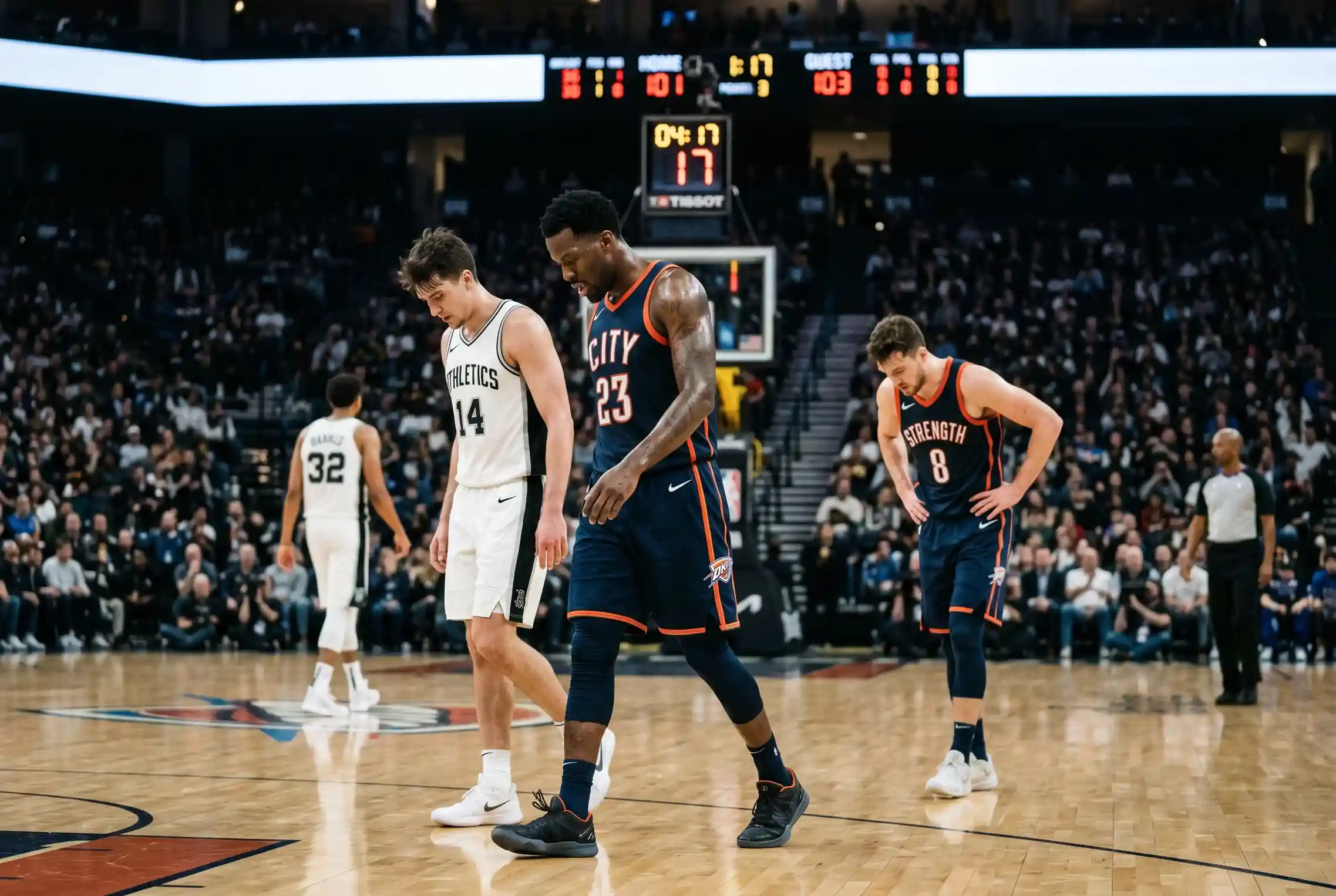
The phrase gets thrown around so often in NBA betting circles that it has lost some of its precision, so let me be specific. A back-to-back is when a team plays on consecutive calendar days. Tuesday night followed by Wednesday night, for example. It does not include games separated by a day off, even if the travel between them is brutal. The NBA schedule in the 2025-26 season gives each team roughly 14.9 back-to-back sets, which is about 23% fewer than a decade ago. The league has been actively reducing scheduling density, but the remaining sets still produce measurable performance drops that the betting market does not always fully price.
What makes the back-to-back relevant for bettors is not just fatigue. It is the combination of fatigue, travel, and the roster decisions coaches make in response. A team playing the second night of a back-to-back might rest a star, shorten its rotation to protect legs, or simply play with less intensity because the coaching staff has decided that tomorrow’s game matters more. All of these factors compound, and the market has to price all of them simultaneously.
The Win-Rate Gap by Travel Direction
The headline number is stark: over the past five-plus seasons, teams on the second night of a back-to-back win approximately 43.6% of their games against rested opponents, compared to roughly 51.8% for the rested side. That eight-percentage-point gap is one of the largest persistent edges in NBA scheduling data, and it holds up across different eras, roster compositions, and conference strengths.
Travel direction amplifies the effect. A road back-to-back, where the team played on the road the previous night and is on the road again tonight, produces the worst outcomes. The combination of a late flight, a new arena, and no home-crowd energy pushes the win rate for the fatigued side below 40% in some samples. A home back-to-back, by contrast, partially offsets the fatigue: the team sleeps in their own beds, plays in a familiar building, and draws energy from the crowd. Home back-to-back teams still underperform their baseline, but the penalty is roughly half as large as the road version.
Peer-reviewed research on match congestion in the NBA has confirmed that match location significantly impacts winning following one and two days of rest, but for back-to-back games specifically, zero days between matches, the home advantage effect largely disappears. The fatigued team is fatigued regardless of where they play, and the data supports that conclusion across thousands of games.
Totals Impact on the Second Night
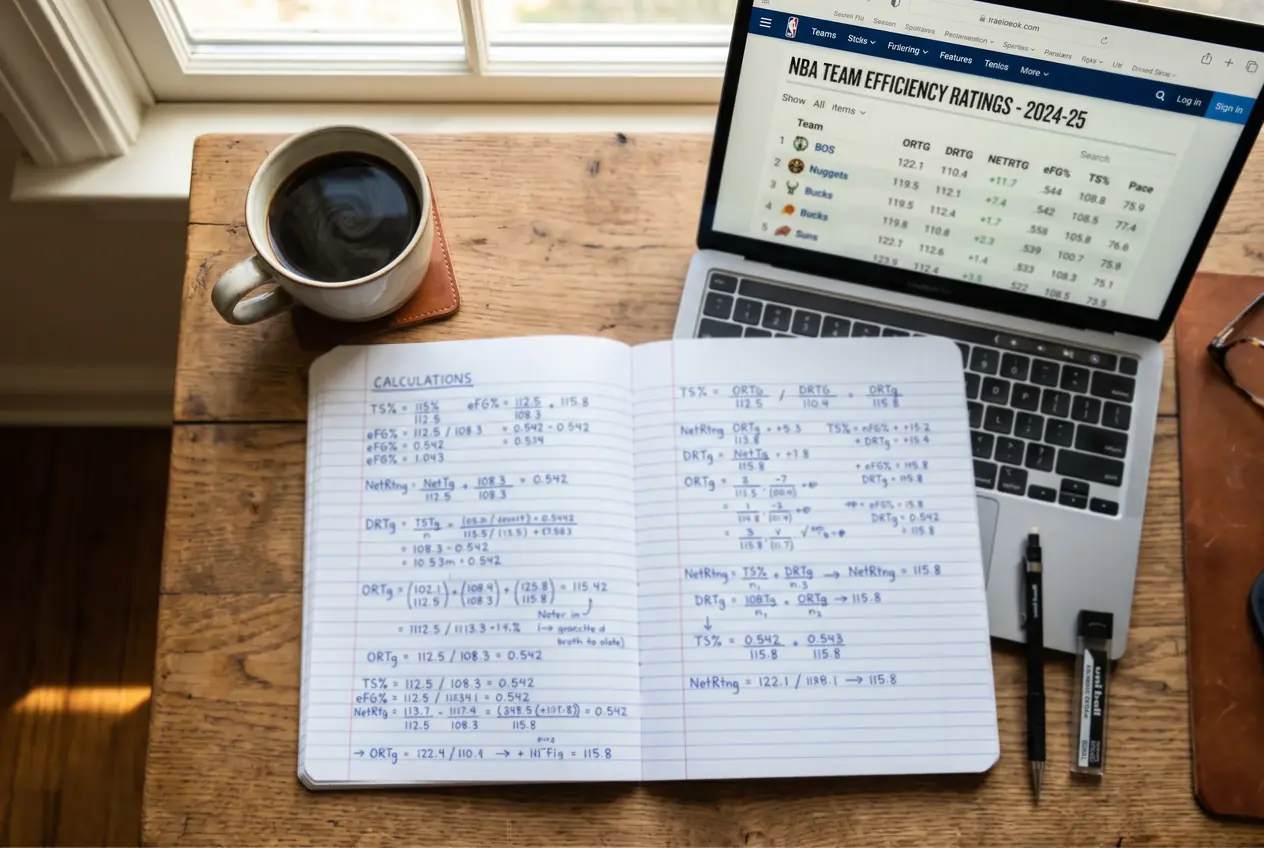
Teams on the second night of a back-to-back lose roughly 2.21 points per 100 possessions in net efficiency, and about two points of that comes from offensive decline. Shots fall short, ball movement gets lazy, and the pace drops slightly because tired players do not push in transition as aggressively. The defensive decline is smaller, roughly 0.5 points per 100 possessions, because defence is more about effort and positioning than explosive athleticism, and teams can compensate for tired legs with half-court discipline.
For totals bettors, this means the under on the fatigued side has value when the total has not fully adjusted. The typical adjustment at UK books for a one-sided back-to-back – one team rested, the other on the second night – is a 1.5-to-2-point reduction in the total. The data suggests the fair adjustment is closer to 2.5-3 points when the fatigued team is on the road. If the book has only moved the total by 1.5 points, the under is the play.
Why B2Bs Disappear in the Playoffs
The NBA playoff schedule eliminates back-to-backs entirely. Every series gives teams at least one day between games, and often two. This means that the back-to-back edge – the most reliable scheduling angle in the regular season – vanishes completely once the postseason begins. Punters who built their regular-season strategy around B2B trends need to shift their approach entirely for the playoffs, which is one of the reasons playoff betting requires a different strategic framework.
The absence of back-to-backs in the playoffs also means that any fatigue-related edges in the postseason come from series length and physical play rather than scheduling. A team that goes to seven games in the first round and then opens the second round two days later is not on a back-to-back in the technical sense, but the cumulative fatigue of a seven-game series is real and sometimes underpriced.
Three Applied Spots for the Current Season
Rather than betting every back-to-back situation blindly, I focus on three specific configurations that have produced the most consistent results in my tracking. The first is the road back-to-back against a rested home team that ranks in the top ten in defensive efficiency. The combination of fatigue, travel, and a strong home defence produces ATS cover rates above 55% for the rested side across my sample.
The second is the back-to-back where the fatigued team is expected to rest a key starter. The market adjusts for the rest decision, but it often underestimates the compounding effect of fatigue plus absence. The rested side in this scenario covers at a higher rate than when the fatigued team plays at full strength, because the remaining players are both tired and missing their primary creator.
The third is the back-to-back total in a game where both teams are on the second night. Double back-to-backs are rare – perhaps three or four times a season – but when they occur, the total drops significantly because both sides are fatigued. The posted total in these games has historically been 2-3 points too high in my data, making the under a reliable play in a small but profitable sample.
Has the Market Caught Up?
The obvious question with any well-documented trend is whether the market has already priced it in, eliminating the edge. My answer is: partially. The headline back-to-back trend – blindly betting against every fatigued team – no longer produces a flat profit across the season. The market has absorbed the surface-level data and adjusts lines accordingly. You will not beat the closing line simply by flagging every B2B game.
But the specific configurations I described above still produce positive expected value, precisely because they require layering multiple conditions that the market’s bulk adjustment does not fully capture. A 1.5-point blanket adjustment for back-to-back fatigue does not account for the specific matchup, the travel distance, the defensive quality of the opponent, or the compounding effect of a rest decision. The edge lives in those layers, not in the headline trend, and it rewards punters who do the preparation rather than those who rely on a single filter.
How big is the home-vs-road B2B gap?
Road back-to-backs produce the worst results for the fatigued team, with win rates dropping below 40% against rested opponents. Home back-to-backs carry roughly half the penalty because the team benefits from sleeping in their own beds and playing in a familiar arena, though the fatigue effect does not disappear entirely.
Do B2Bs still matter when a team rests starters?
Yes, and the effect compounds. A team on the second night of a back-to-back that also rests a key starter faces a double penalty: the remaining players are fatigued and the team is missing a primary contributor. The market adjusts for the rest decision but tends to underestimate the compounding effect.
Is the under more reliable than the spread on B2Bs?
In my tracking, the under on fatigued-team games has been slightly more consistent than the spread, primarily because the offensive efficiency decline is more predictable than the margin-of-victory outcome. However, both angles carry positive expected value in the right configurations.
Written by the editors at Best nba Betting Strategy.