Betting Around the NBA All-Star Break: Before, During and After
 Available in US
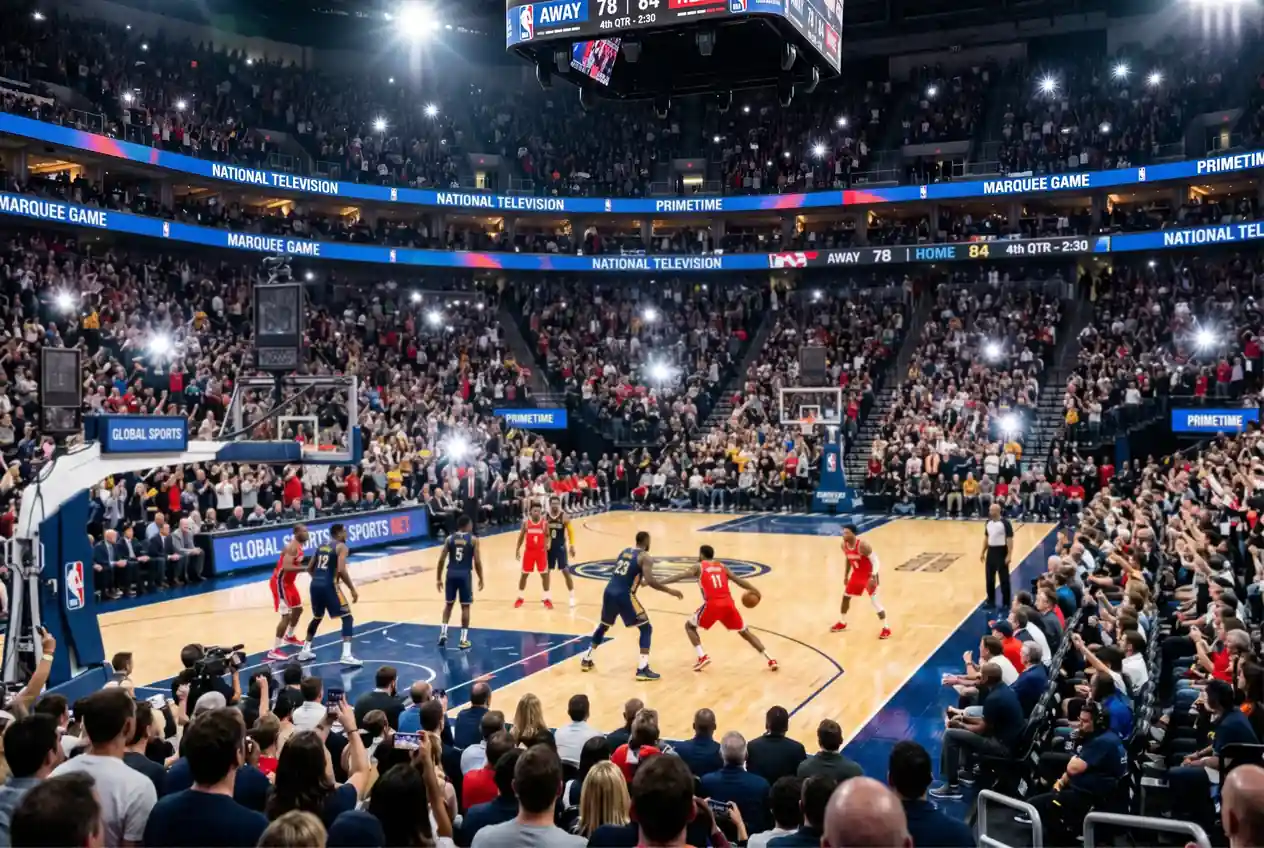
A Week That Resets the Entire Market
The All-Star break splits the NBA season into two halves that behave like different leagues. Before the break, teams are finding their identity, integrating new pieces, and building habits. After the break, the playoff picture sharpens, motivation levels diverge, and the data from the first half becomes both more useful and more dangerous – more useful because you have a large sample, more dangerous because the context has shifted. Every season, I treat the All-Star break as a hard reset on my models, and the punters who do the same consistently outperform those who carry their first-half assumptions into the second half unchanged.
The Pre-Break Wind-Down
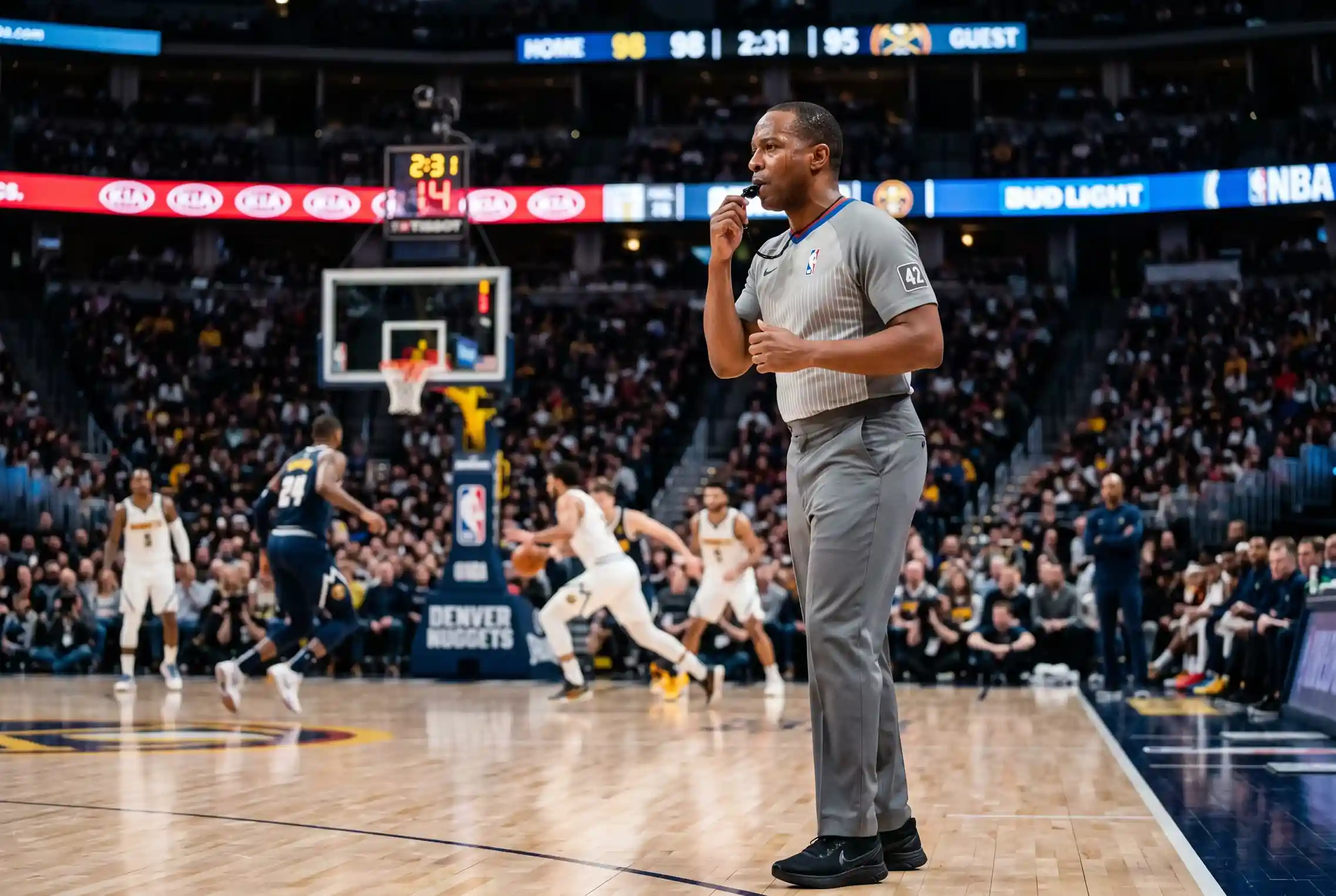
The five games before the All-Star break are among the least competitive of the regular season. Teams know the break is coming, and the players who have been selected for the All-Star game are already mentally in another city. More than 20% of starting-calibre players sit out games in the final fortnight of the first half, whether for load management, minor injury recovery, or simple rest before the break. The result is a stretch of games where the quality of play declines measurably.
For bettors, the pre-break wind-down creates value primarily on unders. Offensive efficiency drops when starters rest or play reduced minutes, and replacement lineups run fewer complex sets. The pace often slows because the bench players are less comfortable pushing in transition against starters. If the total has not adjusted downward for the rest environment, the under carries structural value.
Spreads in the pre-break window are trickier. The team resting players will be adjusted in the spread, but the question is whether the adjustment is large enough. My experience is that the market is roughly calibrated for one missing starter but consistently under-adjusts when multiple starters rest simultaneously. A team sitting two starters for the last game before the break is worse than the sum of the individual adjustments suggests, because the remaining lineup loses its offensive and defensive structure.
All-Star Weekend Itself
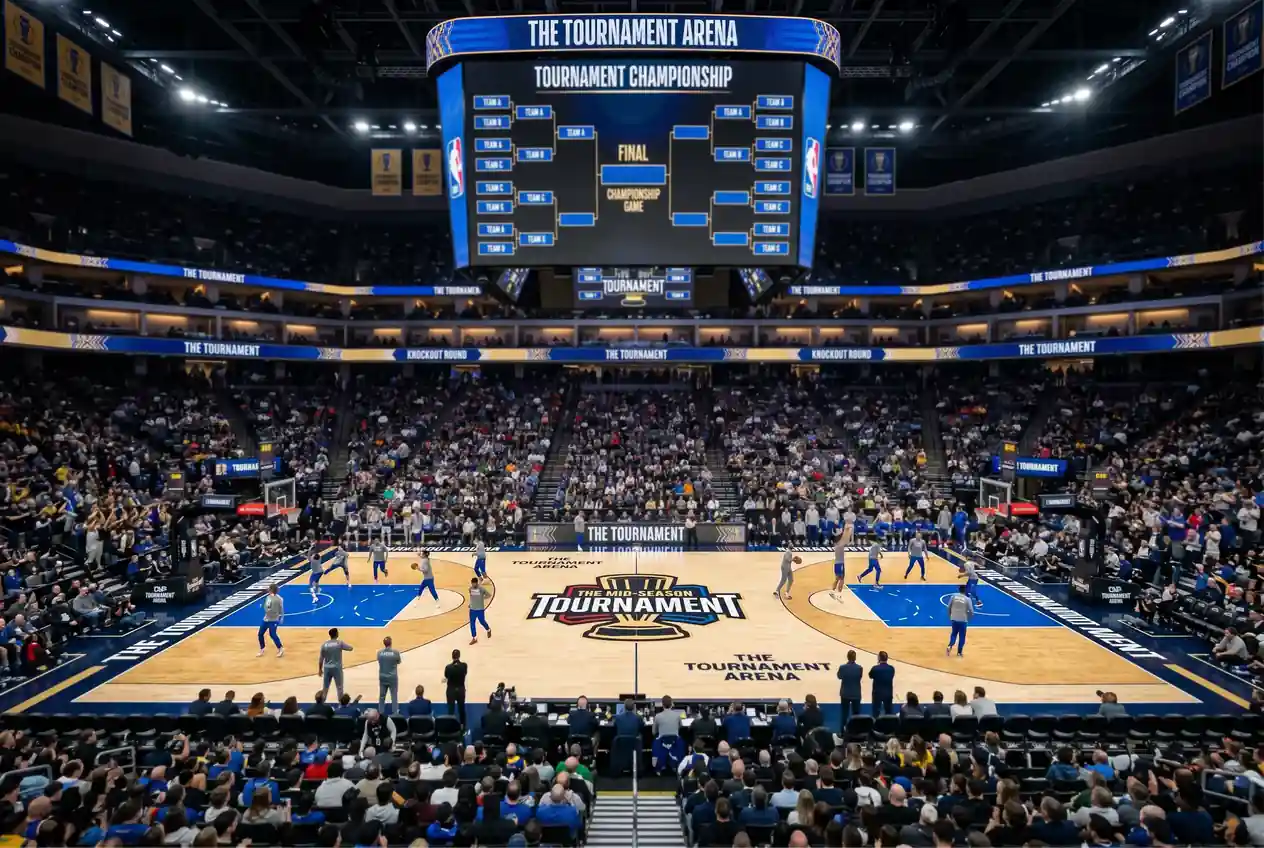
The All-Star game has no competitive integrity and no serious betting value. The over hits at an absurd rate because neither team plays defence, and the total is set so high that it barely qualifies as a bet rather than an entertainment proposition. The skills competitions and three-point contest attract prop action in the US, but UK books offer limited markets on these events, and the variance is enormous.
The one genuine betting angle during All-Star weekend is the Rising Stars game, which features younger players who actually compete for recognition. The intensity level in the Rising Stars event is noticeably higher than the main All-Star game, and the player props on that event are priced off relatively thin data, which creates occasional mispricings for punters who track the young players’ season-long trends closely.
The Post-Break Recalibration
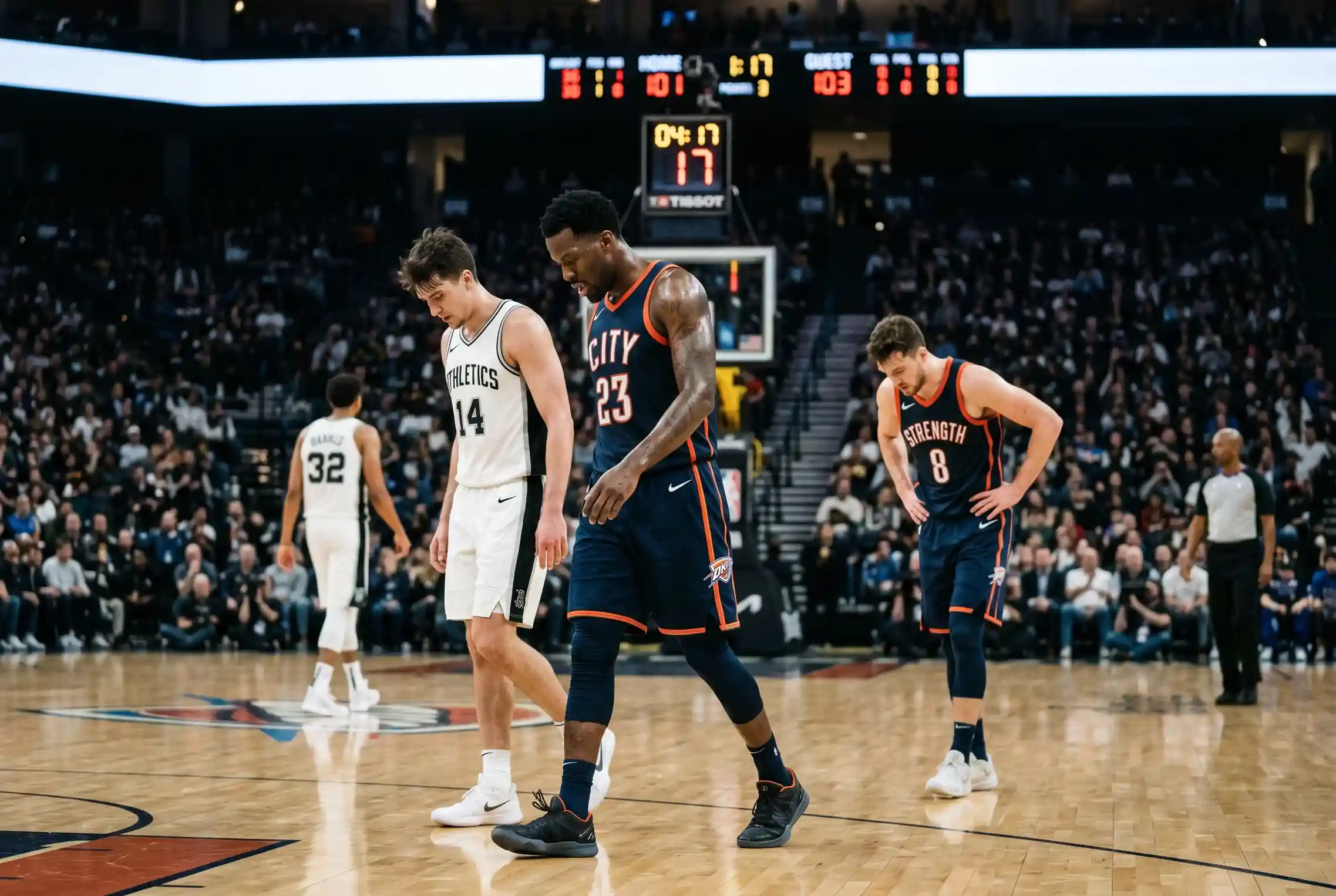
The first week after the All-Star break is the most volatile betting window of the season outside the trade deadline. Teams return at different levels of readiness. Some have rested and are sharp; others are rusty from the layoff and need a game or two to regain rhythm. The variance in first-game-back performance is significantly wider than at any other point in the season, which makes it a high-risk, high-reward window for bettors.
I learned this the hard way in 2024, when I treated the first post-break slate like any other Tuesday night and lost three of four bets. Two of the losses came from teams I expected to be sharp after rest but that instead played sluggish, turnover-heavy basketball for three quarters before waking up too late to cover. The third was a total that sailed over because both teams came back with fresh legs and no defensive discipline. The lesson was not that the post-break window is unplayable – it was that the window demands a different approach from the standard process.
The totals pattern reverses after the break. While the pre-break period favours unders, the first two or three games after the break often favour overs. Teams come back energised with fresh legs, the pace increases as players push in transition after a week of rest, and defensive intensity lags behind offensive execution for the first few games. The totals market does not always anticipate this surge, particularly on the first night back when the entire league plays and the lines are spread thin across a full slate.
The post-break period is also when the motivation gap becomes a betting factor. Teams firmly in the playoff picture sharpen their focus and play with increased urgency. Teams on the bubble play desperate, high-variance basketball. Teams that are out of contention begin resting veterans and developing young players. These three categories of motivation produce three different betting profiles, and the market takes two or three weeks to fully recalibrate its lines for the new reality.
Second-Half Trends Worth Tracking
Several statistical patterns shift reliably after the All-Star break, and incorporating them into your models improves your second-half accuracy. First, home court advantage increases slightly in the second half because contending teams’ crowds become louder and more engaged as the playoffs approach. The RotoWire HCA data shows that home teams win at a roughly 2% higher rate in the second half than the first half across the league.
Second, defensive efficiency tightens across the board. Teams that were experimenting with defensive schemes in the first half settle on their playoff rotations and commit to defensive identity. The league’s average offensive rating drops by approximately 1 point per 100 possessions after the break, which has a direct impact on totals. If you have been calibrating your totals models on first-half data, you need to adjust the baseline downward for the second half.
Third, the injury rate increases. The cumulative toll of 50-plus games catches up with players in February and March, producing a wave of soft-tissue injuries, minutes restrictions, and missed games that disrupt the continuity of rosters across the league. The betting market prices individual injuries as they occur, but it does not always account for the league-wide increase in injury frequency, which depresses the quality of play and favours unders in a macro sense.
Bill Krackomberger, a well-known sharp bettor, has noted that the futures market expands significantly around the All-Star break as books offer more granular postseason propositions. For UK bettors, this expansion means more options for futures positions at a point in the season where the playoff field is largely set but the seeding is still fluid – a window where informed punters can find value that the pre-season futures market did not offer.
Should I avoid betting the first game after the break?
Not necessarily, but you should approach it differently. The first game back is higher-variance than a normal regular-season game because teams return at varying levels of readiness. If you have a strong read on which teams recovered well during the break, the first night back can offer value. If you do not, stepping back for the first two days of post-break action is a reasonable approach.
Does the All-Star break affect player props?
Yes. Player props in the first few games after the break are priced off season-long averages, but some players return with elevated or reduced workloads depending on their break activities. Players who rested often see a minutes bump in their first game back, which inflates their counting stats. Players who participated in All-Star weekend events may see slight fatigue effects in their first regular-season game.
Created by the ”Best nba Betting Strategy” editorial team.